Why Your Designs Are Missing That Genuine Touch
Have you ever looked at a beautifully designed poster, a wedding invitation, or a website banner and felt that something was just slightly off? The layout is perfect, the colors pop, but the text feels sterile. It lacks the warmth of a human connection. This is a common hurdle in digital design: the struggle to replicate the authentic imperfections of real life. While standard serif and sans-serif fonts provide necessary structure, they often strip away the personality required to make a message feel truly personal. This is where the power of a realistic script comes into play, specifically the Natural Handwriting font.
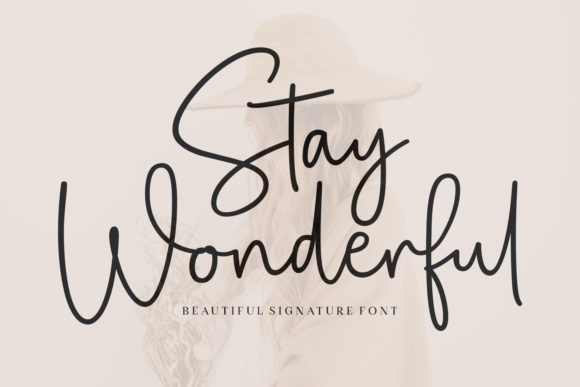
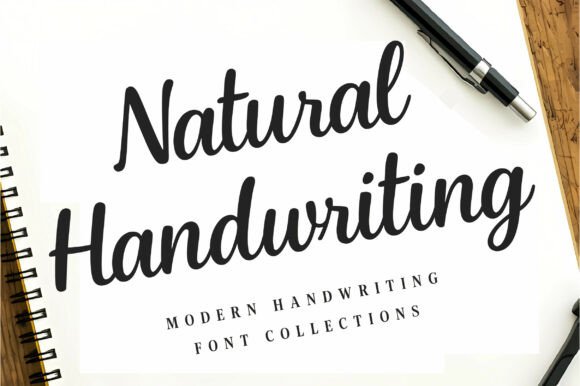
Natural Handwriting is not just another cursive font. It is a meticulously crafted typeface collection designed to mimic the fluidity and nuance of genuine, everyday penmanship. Unlike calligraphy fonts that require a steady hand to write or rigid scripts that look robotic, this typeface captures the casual, immediate feel of jotting down a quick note. It balances the speed of authentic writing with the clarity needed for professional design work. The result is a typeface that feels less like a digital asset and more like a letter you just received from a close friend.
Beyond Aesthetics: The Psychology of "Real" Writing
Why does a font like Natural Handwriting resonate so deeply with audiences? The answer lies in the psychology of communication. We are conditioned to associate handwriting with intimacy, effort, and sincerity. When we see a printed script that looks genuinely hand-drawn, we subconsciously lower our defenses. We perceive the message as more trustworthy and direct.
For adults aged 20 to 50—many of whom grew up writing letters before the digital takeover—this aesthetic triggers a sense of nostalgia. It evokes the feeling of opening a birthday card or reading a margin note in a textbook. By using Natural Handwriting, you aren't just choosing a visual style; you are choosing to communicate with a tone that is approachable, relatable, and sincere. It bridges the gap between the cold efficiency of digital text and the warmth of human touch.
Transforming Branding and Marketing Materials
One of the most impactful applications of Natural Handwriting is in the realm of branding. In a marketplace saturated with corporate jargon and rigid logos, a handwritten element can be a breath of fresh air. Consider a local bakery, a boutique coffee shop, or a handmade jewelry brand. These businesses rely on a narrative of craftsmanship. Using a stiff, geometric font for their logo or marketing flyers contradicts that story.
Instead, imagine a logo where the brand name flows effortlessly in Natural Handwriting. It immediately communicates that the business is human-centric and detail-oriented. It works beautifully for:
- Watermark Signatures: Photographers and artists often need to sign their work digitally. A standard font looks like a stamp, but Natural Handwriting creates a signature that looks like it was actually signed with a pen, protecting the image without distracting from it.
- Product Packaging: For labels on jam jars, candles, or soap, a handwritten font suggests that a real person was involved in the creation process. It adds perceived value to the product.
- Thank You Cards: E-commerce businesses can stand out by including a physical or digital thank you note. Using Natural Handwriting makes the customer feel individually recognized rather than part of an automated email blast.
The Content Creator’s Secret Weapon
If you are a blogger, social media manager, or digital influencer, consistency is key—but so is personality. Natural Handwriting offers a solution to the "brand voice" dilemma. It allows you to overlay text on images that feels like a caption you wrote yourself, but with the legibility of a typeset font.
Think about Instagram Stories or Pinterest pins. Text overlays often need to stand out against a busy background. The moderate weight and flowing connections of Natural Handwriting ensure that the text is readable, even on smaller screens or complex backgrounds. It is perfect for:
- Quote Graphics: Inspirational quotes perform incredibly well on social media. When presented in a script that looks like it was jotted down in a journal, the impact of the words is amplified. It feels like a shared secret rather than a generic platitude.
- Blog Headers: A clean sans-serif is great for body text, but a header in Natural Handwriting can set a relaxed, conversational tone for your entire article. It tells the reader, "Hey, let’s chat," rather than "Listen to this lecture."
- Call-to-Actions (CTAs): Sometimes, a button that says "Shop Now" feels aggressive. A handwritten "Take a look" or "See more" can feel more like an invitation and less like a command.
Stationery, Crafts, and Personal Projects
Not everyone using fonts is running a business. Many of us are scrapbookers, journal enthusiasts, or simply people who love sending beautiful emails. Natural Handwriting is a game-changer for personal stationery. If you are designing your own wedding invitations, you know the cost of hiring a calligrapher can be prohibitive. This font provides that bespoke, elegant look at a fraction of the cost, without the stress of aligning hand-lettered envelopes in a printer.
For the journaling community, specifically those who practice "digital planning" on tablets, Natural Handwriting bridges the gap between typing and writing. It allows you to type out your thoughts quickly but see them rendered in a script that maintains the aesthetic of a handwritten diary. It is also ideal for creating custom stickers for planners, headers for scrapbooks, or personalized labels for home organization.
Technical Considerations: Legibility and Weight
While the aesthetic is crucial, practical application matters just as much. A common mistake with script fonts is choosing style over substance. Many "handwritten" fonts are so thin or ornate that they become illegible at small sizes. This is where Natural Handwriting distinguishes itself.
It is designed with a moderate weight. This means the strokes are thick enough to be read clearly on a screen or in print, but not so bold that they look clunky. The connections between letters are flowing but distinct, ensuring that words don’t blur together into an unreadable mess.
When using Natural Handwriting, keep a few practical tips in mind:
- Contrast is Key: Because it is a script, it needs breathing room. Avoid placing it on backgrounds with high-contrast patterns. A clean, solid background or a blurred image works best.
- Size Matters: While it is legible, it is best used for headers, sub-headers, and short bursts of text. Avoid using it for long paragraphs of body copy, as the eye tires more quickly reading script than standard print.
- Color Psychology: Dark grey or charcoal often looks more realistic than stark black. If you are going for a colored text, ensure it has enough contrast against the background to remain accessible.
Who Benefits Most from This Style?
The versatility of Natural Handwriting makes it suitable for a wide range of users, but it is particularly beneficial for those in creative and service-based industries.
Wedding Planners and Stationers: Creating mood boards, save-the-dates, and day-of signage becomes significantly easier with a font that mimics hand-lettering without the inconsistency.
Life Coaches and Therapists: These professions rely on trust and personal connection. Marketing materials that use a friendly, handwritten script can make a practice feel more welcoming and less clinical.
Teachers and Educators: Creating worksheets, classroom decorations, or awards for students feels more personal and encouraging when the text looks like a teacher’s handwriting.
Non-Profits: When asking for donations or spreading awareness, an emotional connection is vital. A handwritten style can convey the urgency and sincerity of the cause more effectively than a corporate typeface.
Choosing the Right Tool for the Job
When selecting a font for your project, it is easy to get distracted by novelty. However, the goal is usually clear communication. Natural Handwriting strikes the perfect balance. It offers the authenticity of a human hand with the reliability of a digital file.
It captures the genuine feel of a personal letter. Whether you are designing a logo for a new startup, creating a heartfelt card for a loved one, or curating a social media feed that feels like a conversation, this typeface provides the visual language to do so. It reminds us that behind every screen, every product, and every post, there is a human being with a story to tell. By integrating Natural Handwriting into your toolkit, you ensure that your story is told with grace, clarity, and a touch of genuine elegance.