Mecha: The Strategic Role of a Bold Display Typeface in Modern Design
In the landscape of digital and print media, typography is not merely a vessel for text; it is a critical component of brand strategy and user psychology. While body text requires neutrality and readability, display typography demands attention and sets the emotional tone for a project. Among the modern options available to designers, the Mecha typeface stands out as a significant tool for those aiming to project a sense of modernity and authority. Created by Kong Font Studio, Mecha is a display font characterized by its futuristic aesthetic and mechanical precision. However, possessing a distinct font is only the first step; understanding how to deploy it strategically is what separates effective design from visual noise.
Understanding the Technical Aesthetic
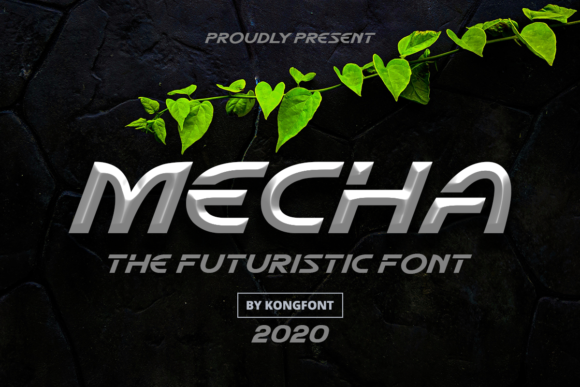
Before integrating Mecha into a workflow, it is essential to analyze its visual attributes. Mecha falls into the category of modern display fonts, often utilizing geometric shapes, sharp angles, and a mechanical structure that suggests engineering or advanced technology. Unlike serif fonts that imply tradition or handwritten scripts that imply intimacy, Mecha communicates efficiency, strength, and forward-thinking innovation. For entrepreneurs and creators, this distinction is vital. The choice of typeface serves as a non-verbal cue to the audience, signaling the nature of the brand before a single sentence is read.
The versatility of Mecha lies in its ability to function across different mediums while maintaining its core identity. It is robust enough for headlines on digital platforms, yet precise enough for the intricate details found on greeting cards or packaging. This duality makes it a valuable asset for designers who need a font that can bridge the gap between industrial ruggedness and modern elegance. By understanding these technical qualities, professionals can make informed decisions about when Mecha aligns with their communication goals.
Strategic Application in Branding and Positioning
Branding is the art of differentiation. In a saturated market, the visual identity of a business must stand out to survive. Mecha offers a distinct advantage for brands operating within the technology, gaming, automotive, or architectural sectors. Its futuristic look is not just decorative; it is a positioning tool. When a small business owner uses Mecha for their logo or primary headers, they are implicitly claiming a space in the "modern" or "high-tech" category of the consumer's mind.
However, the use of such a specific style requires careful planning. Intentionality is key. A freelancer specializing in vintage crafts, for example, might find that Mecha creates a cognitive dissonance with their product offering. Conversely, a tech startup launching a new app or a publisher releasing a sci-fi novel would find that Mecha reinforces their narrative. The strategic value of the font is realized only when it supports the brand’s positioning. It is recommended to conduct a brief audit of competitor typography before adopting Mecha, ensuring that it helps the brand stand out rather than blend into a generic "tech" aesthetic.
Enhancing User Experience and Visual Hierarchy
Good design is functional. While Mecha is visually striking, its primary role in user experience (UX) is to establish a clear visual hierarchy. In web design or layout creation, the hierarchy guides the viewer's eye from the most important information to the least important. Mecha is engineered to dominate the top of this hierarchy. Its bold weight and wide spectrum of applications make it ideal for H1 tags, hero sections, and call-to-action buttons.
For marketers and bloggers, the strategic use of Mecha in headlines can significantly impact engagement rates. A bold, clear header captures attention in a scrolling environment, potentially reducing bounce rates and increasing time on page. However, this must be balanced with readability. Display fonts like Mecha are not designed for long-form body text; using them for paragraphs would result in fatigue and poor legibility. The strategic approach involves pairing Mecha with a clean, neutral sans-serif or serif font for the body copy. This contrast creates a rhythm that is pleasing to the eye and easy to process, ensuring that the design serves the user rather than overwhelming them.
Practical Use Cases: From Digital to Physical
The adaptability of Mecha allows it to be deployed in various contexts. Understanding the specific use cases helps in planning asset creation and resource allocation.
- Digital Interfaces: Mecha is highly effective for dashboard headers in SaaS products or gaming interfaces. Its mechanical nature suggests precision and control, which can enhance the user's trust in the software.
- Merchandise and Apparel: The font’s bold strokes translate well to screen printing and embroidery. It is an excellent choice for t-shirts, hoodies, and caps, particularly for brands targeting a younger, streetwear-oriented demographic.
- Event Branding: For conferences, trade shows, or music festivals, Mecha can be used on signage and tickets to create a cohesive, high-energy atmosphere.
- Publishing: Book covers, particularly in the science fiction or thriller genres, benefit from the dramatic impact of Mecha. It sets the tone immediately, promising a story that is fast-paced or set in the future.
Risk Management and Contextual Awareness
Every design decision carries a risk. The primary risk associated with using a distinct display font like Mecha is misalignment with context. If the font is used randomly, without a clear understanding of the project’s goals, it can make a brand appear disjointed or unprofessional. For instance, using Mecha for a law firm’s website or a traditional bakery’s menu would likely confuse the audience and erode trust.
Another consideration is longevity. Trends in typography change. While Mecha has a timeless quality due to its geometric roots, it is undeniably "futuristic." Decision-makers must consider if this aesthetic will still represent the brand accurately in five or ten years. To mitigate this risk, Mecha should be used as a highlight rather than the foundation of an entire identity system. By using it for specific campaigns, product lines, or seasonal graphics, a brand can enjoy the impact of the font without becoming permanently dated by it. Flexibility is a strategic asset.
Decision-Making Framework for Creators
For educators, freelancers, and hobbyists looking to incorporate Mecha into their toolkit, a structured approach to decision-making is beneficial. Rather than selecting the font based on personal preference alone, consider the following framework:
- Audience Analysis: Who is the end-user? Does their demographic appreciate modern, mechanical, or futuristic aesthetics? If the audience skews older or prefers traditional values, Mecha may not be the optimal choice.
- Goal Alignment: What is the objective of the piece? If the goal is to grab attention quickly (e.g., a YouTube thumbnail or a sale banner), Mecha is a strong candidate. If the goal is to convey detailed, nuanced information, a more subdued typeface is required.
- Technical Environment: Where will the design be viewed? Mecha performs well on high-resolution screens and large prints. Ensure that the medium supports the font's details without pixelation or loss of clarity.
By following this thought process, creators can move from random selection to intentional design. The goal is to use typography to solve problems and achieve specific outcomes, rather than simply decorating a page.
Long-Term Value and Creative Consistency
Consistency is the bedrock of brand recognition. When a decision is made to utilize Mecha, it should be codified into a style guide. This ensures that whether a greeting card is being designed or a website is being updated, the application of the font remains uniform. Kong Font Studio has provided a tool that offers a wide spectrum of applications, but it is the responsibility of the designer to maintain the integrity of the brand through consistent usage.
Ultimately, Mecha is more than just a collection of glyphs; it is a strategic tool for modern communication. It empowers entrepreneurs to project confidence, helps marketers capture attention, and allows designers to explore the boundaries of futuristic aesthetics. When used with clear goals, careful planning, and an understanding of the audience, Mecha can significantly enhance the impact and professionalism of any creative project. It is an investment in visual identity that, when managed correctly, yields tangible results in audience engagement and brand perception.