Handwritten: Elevating Digital Design with Timeless Elegance
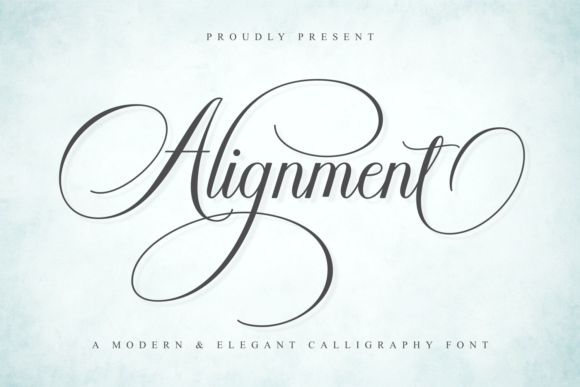
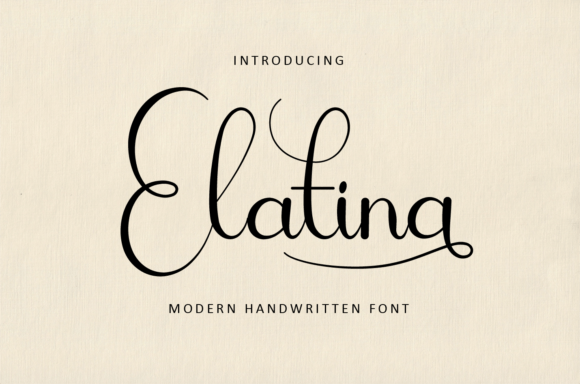
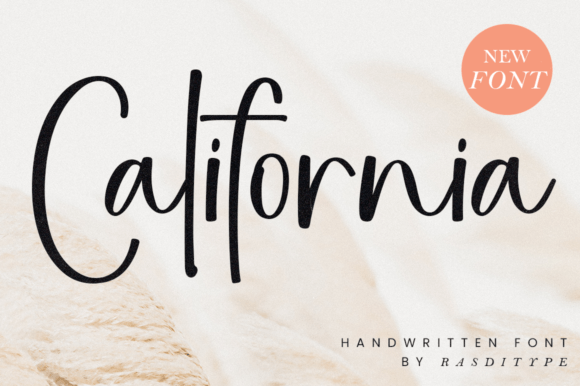
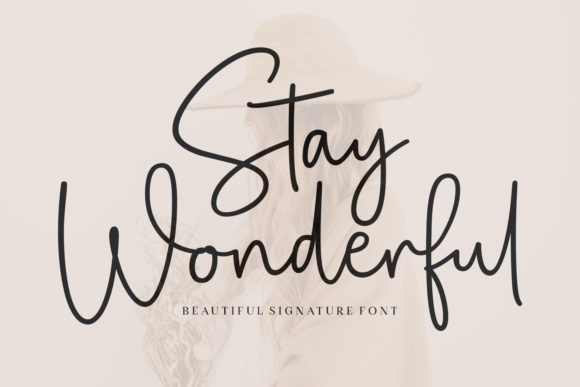
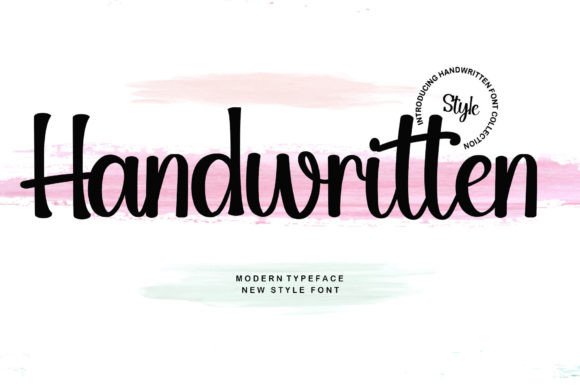
In the vast digital landscape where thousands of typefaces compete for attention, finding a font that truly bridges the gap between modern utility and classic artistry can be a challenge. However, Handwritten has emerged as a standout choice for designers and creators seeking to inject a human touch into their work. This trendy handwritten font is not merely a digital script; it is a carefully crafted tool that brings a contemporary atmosphere and impeccable form to any project. Inspired by the fluidity and grace of timeless classic calligraphy, Handwritten offers a unique blend of sophistication and approachability.
The Essence of Handwritten Typography
Typography is more than just letters on a screen; it is the voice of your design. When you choose Handwritten, you are selecting a typeface that speaks with warmth, elegance, and personality. Unlike rigid sans-serif fonts or overly formal serif typefaces, Handwritten mimics the organic flow of a human hand holding a pen. This creates an immediate emotional connection with the viewer, evoking feelings of authenticity and care.
The design philosophy behind Handwritten centers on balance. While it embraces the irregularities that make handwriting feel personal, it maintains a level of legibility and structure that is essential for professional use. It avoids the chaotic look of many casual scripts, opting instead for a refined aesthetic that feels both luxurious and inviting. Whether you are designing a wedding invitation or a corporate greeting card, the font adapts to the context, adding a layer of class that standard digital fonts often lack.
Distinctive Features and Characteristics
What sets Handwritten apart from other script fonts? The answer lies in its intricate details and technical execution. The font is designed with a contemporary flair, meaning it respects current design trends while nodding to historical calligraphic traditions.
- Flow and Connectivity: The letters in Handwritten are designed to flow seamlessly into one another, mimicking the natural movement of a pen across paper. This fluidity ensures that words look cohesive rather than disjointed.
- Stroke Variation: True to classic calligraphy, Handwritten features subtle variations in stroke thickness. This adds depth and realism, making the text look as if it were actually inked rather than typed.
- Impeccable Form: Despite its organic nature, the font maintains a consistent baseline and x-height. This ensures that the text remains easy to read, even at smaller sizes or in longer paragraphs.
- Stylistic Alternates: To enhance its versatility, Handwritten often includes alternate characters and ligatures. These allow designers to customize the look of specific words, preventing repetitive letterforms and adding a bespoke quality to the text.
Practical Applications: Where to Use Handwritten
The versatility of Handwritten makes it suitable for a wide array of applications. It is not limited to one specific niche; rather, it serves as a chameleon that adapts to various design environments. Understanding where this font excels can help you maximize its potential.
Branding and Identity
For businesses aiming to project a friendly, approachable, or luxurious image, Handwritten is an excellent choice for logos and brand marks. It works particularly well for boutique businesses, artisanal products, cafes, and lifestyle brands. A logo set in Handwritten suggests that the brand values craftsmanship and personal connection over cold, corporate efficiency.
Wedding and Event Stationery
The wedding industry has long relied on calligraphy, and Handwritten brings that tradition into the digital age. It is perfect for save-the-dates, invitations, menus, and place cards. The font’s elegant curves and sophisticated style add a romantic touch that aligns perfectly with celebratory occasions.
Digital Content and Social Media
In the fast-paced world of social media, standing out is crucial. Using Handwritten for quotes, Instagram stories, or blog headers can break the monotony of standard web fonts. It draws the eye and encourages users to pause and engage with the content, making it a powerful tool for content creators and influencers.
Packaging Design
Product packaging often uses typography to convey the nature of the contents. Handwritten is ideal for packaging that wants to communicate organic ingredients, homemade quality, or high-end luxury. It transforms a simple label into a piece of art, enhancing the perceived value of the product.
Who Benefits from Using Handwritten?
The utility of Handwritten extends across various professions and hobbies. It is a tool that empowers creativity and enhances communication.
- Graphic Designers: Designers can use Handwritten to add a personal touch to client projects, creating unique layouts that stand out in portfolios.
- Small Business Owners: Entrepreneurs can utilize the font to create cohesive branding materials without the need for expensive custom calligraphy.
- Bloggers and Content Creators: Writers can use Handwritten for headers and accents to give their blogs a distinct voice and visual identity.
- DIY Enthusiasts: For personal projects like scrapbooking or custom gifts, Handwritten provides a professional-looking script that is easy to use.
Evaluating Suitability: Strengths and Considerations
While Handwritten is a powerful asset, it is important to evaluate its suitability for specific contexts. No single font is perfect for every situation, and understanding the strengths and limitations of Handwritten will help you use it effectively.
Strengths
The primary strength of Handwritten is its ability to convey emotion. It humanizes digital text, making messages feel more personal and less automated. Its aesthetic appeal is undeniable; it adds a layer of polish and sophistication that can elevate amateur designs to professional standards. Furthermore, its legibility compared to many other script fonts makes it a practical choice for both display and occasional body text.
Considerations and Limitations
Despite its many virtues, there are scenarios where Handwritten might not be the best fit. For instance, it is generally not recommended for long-form body text, such as the main paragraphs of a book or a lengthy report. While it is legible, reading large blocks of script text can cause eye strain over time.
Additionally, the "trendy" aspect of Handwritten should be considered. Design trends evolve, and while this font has classic roots, its contemporary styling means it should be used thoughtfully in projects intended to last for many years without looking dated. It is best used in contexts where freshness and modernity are valued.
Guidance for Implementation
To get the most out of Handwritten, consider the following practical tips for implementation:
- Pairing is Key: Handwritten looks best when paired with a simple, clean sans-serif or serif font. Use Handwritten for headings or accents and the complementary font for body text. This creates a visual hierarchy that is pleasing to the eye.
- Size and Spacing: Because of its intricate details, Handwritten often requires generous spacing (kerning and leading) to breathe. Avoid setting it too small, as the delicate strokes may become illegible on low-resolution screens.
- Color and Contrast: Ensure there is sufficient contrast between the text and the background. Handwritten works beautifully in monochrome (black on white or white on black) as well as in soft, pastel palettes for a more romantic feel.
- Context Matters: Always consider the message you are trying to convey. Handwritten is perfect for "Thank You" notes, invitations, and creative headers, but it may lack the authority needed for legal documents or technical manuals.
Real-World Scenarios
Imagine a local bakery launching a new line of organic bread. By using Handwritten on their packaging and social media posts, they can instantly communicate the handmade, artisanal nature of their products. The font tells the customer, "This was made with care," before they even read the ingredients list.
Similarly, consider a non-profit organization sending out a fundraising appeal. A standard typed letter might feel impersonal. However, a letter that uses Handwritten for the salutation and the signature block can evoke a sense of personal connection and urgency, potentially increasing donor engagement.
Conclusion
Handwritten is more than just a collection of vector curves; it is a bridge between the analog past and the digital present. Its timeless classic calligraphy inspiration ensures that it remains elegant, while its contemporary form ensures it stays relevant. For anyone looking to add a touch of class, warmth, and personality to their design projects, Handwritten offers a reliable and beautiful solution.
By understanding its features, exploring its applications, and respecting its limitations, you can harness the full potential of this font. Whether you are a professional designer crafting a brand identity or a hobbyist creating a personalized gift, Handwritten provides the tools to make your work truly stand out. It reminds us that even in a digital world, the human touch is still the most powerful design element of all.